Get the fair value you deserve for your totaled vehicle in Arizona
Your policy's appraisal clause lets you retain a competent, independent appraiser for a total-loss valuation dispute in Arizona.
Key takeaway
Arizona's R20-6-801(H) lists the methods an insurer may use to settle your total loss and requires a settlement that deviates from them to be supported by documentation giving particulars of the automobile's condition, and § 20-461 makes "not attempting in good faith to effectuate prompt, fair and equitable settlements" a general-business-practice violation when liability is clear.
How SecondAppraisal helps
- •Free appraisal consultation — we review your offer before you commit.
- •At least $1,000 more, or your fee is waived. This applies once we accept your consultation and serve as your appraiser. The starting point is your insurer's offer on the day we accept. If the appraisal award, or a higher offer your insurer makes instead, is less than $1,000 above it, we waive our $495 Appointed Appraiser Service fee. If an umpire is needed, the umpire's fee is separate.
- •Average increase: $3,648 over the insurer's first offer (264 finished consultations that settled at or above the first offer, through Sep 25, 2026, before our fee).
How a total loss works in Arizona
Insurance carriers in Arizona use the Total Loss Formula (TLF) method. When the cost of repair plus the salvage value of your damaged vehicle equals or exceeds its pre-loss actual cash value (ACV), your insurer will declare your vehicle a total loss rather than authorize the repair. From that point, the dispute shifts from "will they fix it?" to "how much will they pay?"
Your appraisal-clause rights in Arizona
Most US auto policies — including those issued in Arizona — contain an appraisal clause that lets either you or the insurer demand a binding independent appraisal when you disagree on value. When invoked, you and the insurer each select a competent independent appraiser, and typically those two appraisers will agree to a new actual cash value. In the event those two appraisers are unable to agree on a value, the two appraisers can select an Umpire to break ties. Typically, you will split the cost of the third appraiser/umpire with the insurance carrier 50/50. In the event that the two appraisers are unable to agree on an umpire, the insured or the insurance carrier can petition a court with jurisdiction to select one. This rarely happens, but the chance isn't zero. The resulting valuation from any two appraisers and/or the umpire is binding.
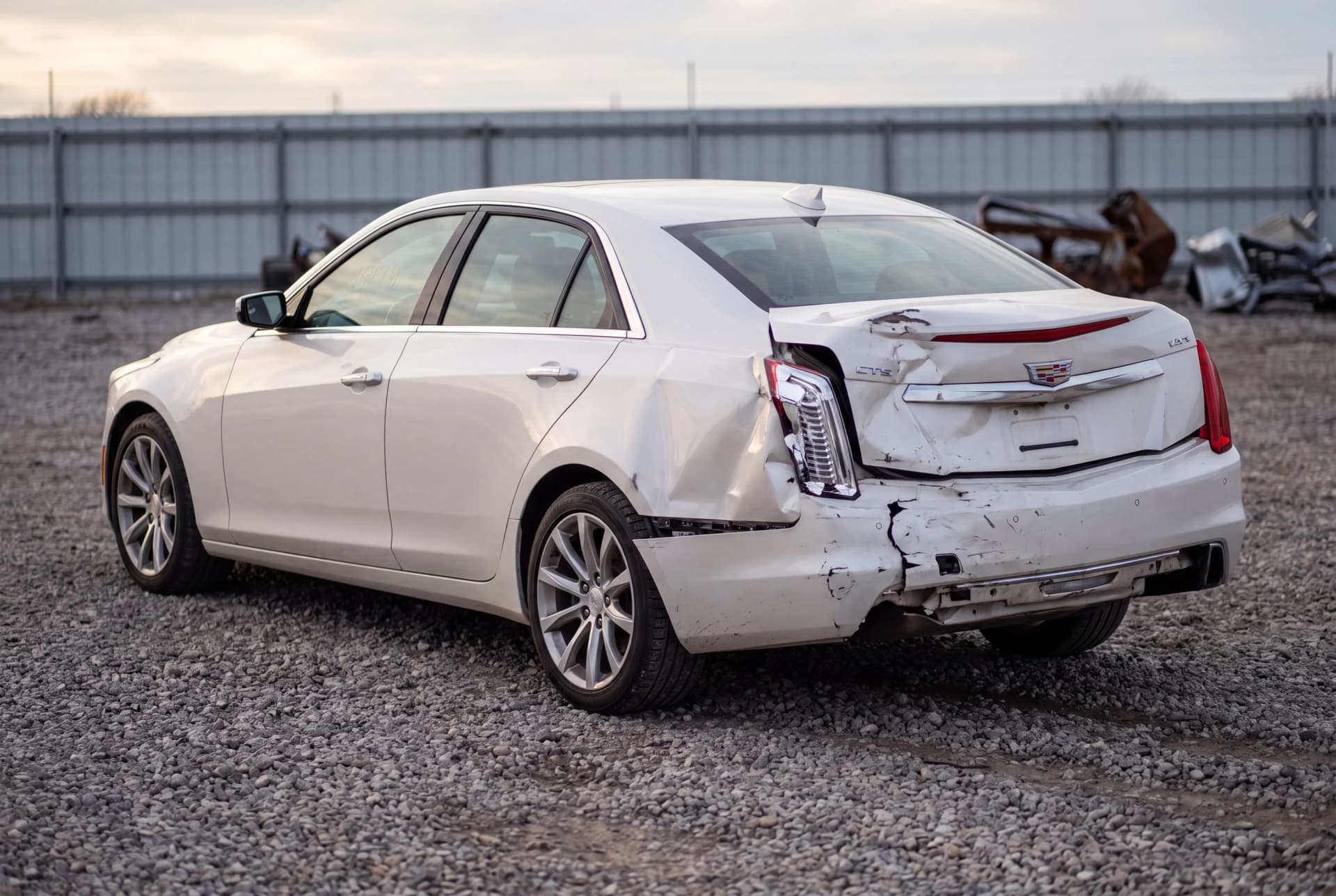
Another successful outcome in Arizona
Sandra received an initial offer of $15,241 from the insurance company for her 2017 Cadillac CTS in Arizona, but our research showed the vehicle was undervalued. Because the insurer hired an independent appraiser, the resolution went through the policy appraisal clause. The final settlement came to $19,944, which was $4,703 more than the insurer first offered.
- Allstate’s first offer
- $15,241
- Recovered above the offer
- +$4,703
- Total settlement
- $19,944
One customer's result, before our fee.
Total-loss help in ArizonaYour Arizona rights at a glance
Choosing a competent independent appraiser
Your policy's appraisal clause lets you choose a competent, independent appraiser with relevant vehicle-valuation experience.
Valuation methods under R20-6-801(H)(1)
R20-6-801(H)(1) limits the insurer to three codified settlement methods: (a) offering a specific comparable replacement automobile, (b) cash settlement based on the cost of a comparable in the local market (with dealer quotations available only when no local comparable exists), or (c) a documented deviation from (a) or (b). Anything that deviates must be supported by particulars of the vehicle's condition under R20-6-801(H)(1)(c).
Right to itemized deductions for betterment, depreciation, and salvage
Under R20-6-801(H)(6), every betterment or depreciation deduction from your settlement must be itemized, specified as to dollar amount, and appropriate for that amount. A line item that just says 'condition adjustment: -$1,200' with no itemization is not compliant.
Arizona Admin. Code R20-6-801(H) — First-Party Auto Total Loss Settlement Standards
Arizona's total-loss rules sit in Arizona Administrative Code R20-6-801(H), adopted under the Unfair Claim Settlement Practices Act at A.R.S. § 20-461. The rule lists the methods an insurer may use to settle a first-party total loss: offer a specific comparable replacement vehicle, or pay cash based on the cost of a comparable automobile in the local market area or, when none is available there, on one of two or more quotations from qualified dealers located within the local market area. Any deviation from those codified methods has to be documented and itemized. Arizona also bars insurers, as a general business practice, from failing to make prompt, fair, equitable settlements when liability is clear (A.R.S. § 20-461(A)(6)).
Common things to look for in Arizona
Recognize these scenarios in your offer letter or comparable report — and what we do about them.
Comparables pulled from out-of-area markets when Phoenix or Tucson comps exist
R20-6-801(H)(1)(b) bases a cash settlement on the cost of a comparable automobile in the local market area or, when none is available there, on one of two or more quotations from qualified dealers located within the local market area. Demand the underlying VINs, dealer addresses, and the geographic-area parameter.
Lump-sum 'condition' or 'typical-negotiation' deductions with no itemization
R20-6-801(H)(1)(c) requires deductions in a deviation settlement to be measurable, discernible, itemized and specified as to dollar amount, and (H)(6) requires betterment and depreciation deductions to be itemized and specified as to dollar amount. A blanket reduction with no per-line-item math is non-compliant; demand the breakdown.
Pressure to inspect or repair the vehicle far from your local area
R20-6-801(H)(3) explicitly prohibits insurers from requiring a claimant to travel unreasonably to inspect a replacement, obtain a repair estimate, or have the automobile repaired at a specific shop.
Arizona Department of Insurance
If you believe your insurer is acting in bad faith, you can file a complaint with Arizona Department of Insurance and Financial Institutions (DIFI) at 602-364-2499 — difi.az.gov ↗.
Relevant Arizona precedent
How SecondAppraisal helps Arizona policyholders
- Free appraisal consultation — confirm your offer is below fair market value before you commit.
- VIN-decoded option audit so every factory feature is credited.
- Accurate and appropriate comparable vehicle research.
- Line-by-line audit of the insurer's adjustments.
- Once you invoke the appraisal clause, we carry out the appraisal process.
Total-loss help in major Arizona cities
City-specific total-loss guides with local risk factors and your appraisal-clause rights:
Frequently asked questions
What is the total-loss threshold in Arizona?▼
Can I invoke the appraisal clause in a third-party insurance carrier / at-fault insurance carrier claim in Arizona?▼
What does SecondAppraisal cost in Arizona?▼
How long does an Arizona total-loss appraisal take?▼
Ready to push back on a low Arizona total-loss offer?
Start your free appraisal consultation in 5 minutes. At least $1,000 more than your insurer's offer, or your $495 fee is waived, once we accept your consultation. Our results: $3,648 more than the insurer's first offer, on average, before our fee. From 264 finished consultations that settled at or above the insurer's first offer, through September 25, 2026; past results, not a promise.
Get My Free Appraisal Consultation