Get the fair value you deserve for your totaled vehicle in Connecticut
Connecticut may require licensing for vehicle appraisers, but you retain the right to invoke your policy's appraisal clause and supplement the insurer's valuation with independent research.
We're licensed in Connecticut· verifyKey takeaway
In Connecticut, Mead v. Burns, 199 Conn. 651 (1986), held that a violation of the Connecticut Unfair Insurance Practices Act can support a Connecticut Unfair Trade Practices Act claim, and that unfair settlement practice claims "require a showing of more than a single act of insurance misconduct"; Lees v. Middlesex Insurance Co., 229 Conn. 842 (1994), held that improper conduct in handling a single claim, without evidence of misconduct in any other claim, is not the "general business practice" that Conn. Gen. Stat. § 38a-816(6) requires. Capstone Building Corp. v. American Motorists Insurance Co., 308 Conn. 760 (2013), restated that bad faith generally involves actual or constructive fraud, a design to mislead or deceive, or a neglect or refusal to fulfill a duty or contractual obligation, "not prompted by an honest mistake as to one's rights or duties, but by some interested or sinister motive," and "means more than mere negligence; it involves a dishonest purpose." Under § 38a-353(b), by the date it pays the settlement on a damaged vehicle it declared a constructive total loss, the insurer must give the claimant a detailed copy of its calculation, any non-public valuation report from an automobile industry source, and written notice that the claimant may dispute the amount by contacting the Insurance Department. Section 38a-790(a) requires a license to act as an appraiser for motor vehicle physical damage claims on behalf of an insurer or a firm or corporation that adjusts or appraises motor vehicle claims; SecondAppraisal holds that Connecticut credential and can pair its market research with the licensed appraiser's independent opinion.
How SecondAppraisal helps
- •Free appraisal consultation — we review your offer before you commit.
- •At least $1,000 more, or your fee is waived. This applies once we accept your consultation and serve as your appraiser. The starting point is your insurer's offer on the day we accept. If the appraisal award, or a higher offer your insurer makes instead, is less than $1,000 above it, we waive our $495 Appointed Appraiser Service fee. If an umpire is needed, the umpire's fee is separate.
- •Average increase: $3,648 over the insurer's first offer (264 finished consultations that settled at or above the first offer, through Sep 25, 2026, before our fee).
How a total loss works in Connecticut
Insurance carriers in Connecticut use the Total Loss Formula (TLF) method. When the cost of repair plus the salvage value of your damaged vehicle equals or exceeds its pre-loss actual cash value (ACV), your insurer will declare your vehicle a total loss rather than authorize the repair. From that point, the dispute shifts from "will they fix it?" to "how much will they pay?"
Your appraisal-clause rights in Connecticut
Most US auto policies — including those issued in Connecticut — contain an appraisal clause that lets either you or the insurer demand a binding independent appraisal when you disagree on value. When invoked, you and the insurer each select a competent independent appraiser, and typically those two appraisers will agree to a new actual cash value. In the event those two appraisers are unable to agree on a value, the two appraisers can select an Umpire to break ties. Typically, you will split the cost of the third appraiser/umpire with the insurance carrier 50/50. In the event that the two appraisers are unable to agree on an umpire, the insured or the insurance carrier can petition a court with jurisdiction to select one. This rarely happens, but the chance isn't zero. The resulting valuation from any two appraisers and/or the umpire is binding.
Recent outcomes near Connecticut
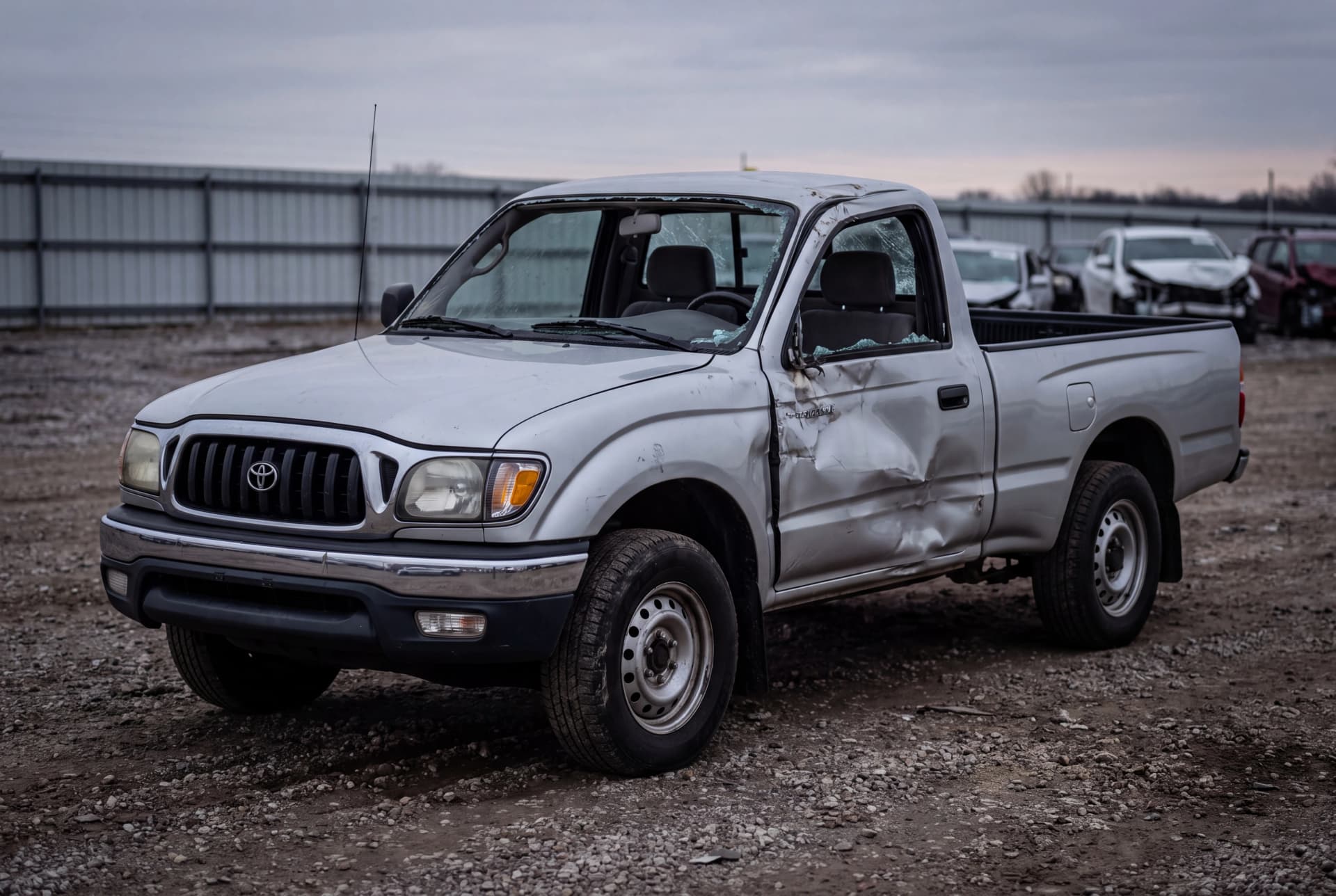
Another successful outcome in Maine
“Amazing experience. We were being majorly lowballed by my insurance company for my ‘03 Tacoma and Jonathan helped us raise the actual cash value by over $5k. He was super transparent and nice to work with, and overall brought a silver lining to an extremely stressful situation.”
When Adam was offered $7,348 by his insurer for his 2003 Toyota Tacoma in Maine, our research showed that initial amount was far too low. After the dispute entered the policy appraisal clause, the final settlement rose to $12,200. That secured him $4,852 above the original offer.
- AAA’s first offer
- $7,348
- Recovered above the offer
- +$4,852
- Total settlement
- $12,200
One customer's result, before our fee.
Total-loss help in Maine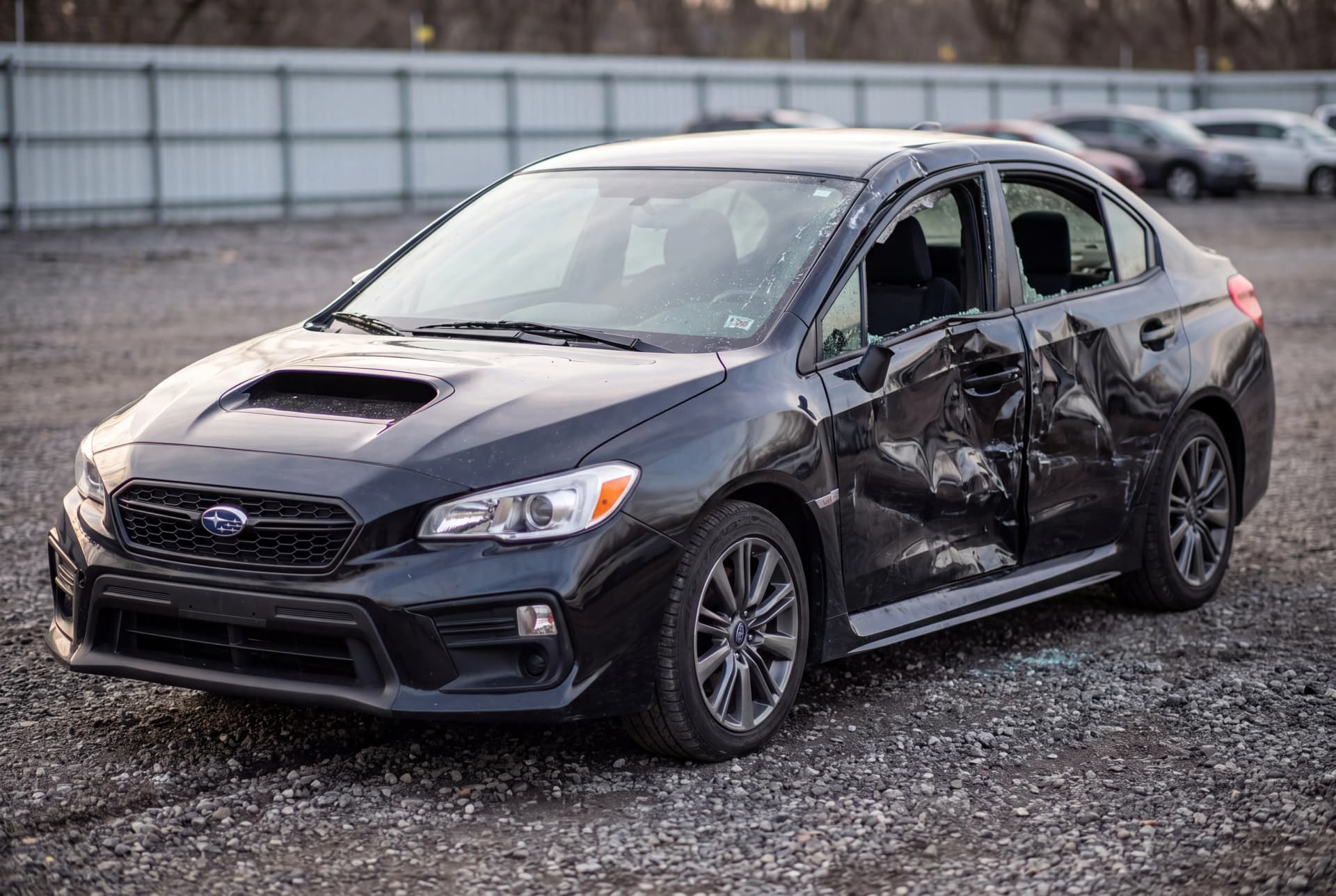
R S., Maryland
2021 Subaru WRX
State Farm offered
$18,063
Got
$20,357
+$2,294
One customer's result, before our fee.
“I received an additional $2,500 from what my insurance company claimed was the actual cash value.”

Roland N., Virginia
2013 Lexus GS 350
Allstate offered
$12,004
Got
$17,800
+$5,796
One customer's result, before our fee.
“They were able to get me $5,000+ more than what the initial offer was from insurance.”
Your Connecticut rights at a glance
Settlement calculation and dispute notice under Conn. Gen. Stat. § 38a-353(b)
By the date the insurer pays the settlement on a totalled vehicle, it must give you a detailed copy of its calculation, a copy of any non-public valuation report it received from an industry source, and a written notice that you may dispute the amount by contacting the Connecticut Insurance Department's Consumer Affairs Division.
Common-law bad-faith tort under Buckman/Capstone
Buckman v. People Express, 205 Conn. 166 (1987), recognized first-party bad faith as a tort. Capstone Building Corp. v. American Motorists Insurance Co., 308 Conn. 760 (2013), restated the test: an interested or sinister motive rather than an honest mistake, and a dishonest purpose — more than mere negligence. Damages can go beyond the policy's benefits, and punitive damages, measured by litigation expenses, need conduct showing wanton or malicious injury or reckless indifference to the interests of others.
CUTPA-via-CUIPA general-business-practice claim under Lees v. Middlesex
Connecticut's CUIPA at § 38a-816 has no private right of action, but a § 38a-816 violation can be prosecuted as a Connecticut Unfair Trade Practices Act claim if the insured pleads multiple instances of unfair settlement conduct establishing a "general business practice."
MVPDA license requirement protects the appraisal-clause process
Conn. Gen. Stat. § 38a-790 requires a license to act as an appraiser for motor vehicle physical damage claims on behalf of an insurer or a firm engaged in appraising motor vehicle claims, and the license requires a written examination of the applicant's competency (§ 38a-769(e)). The license requirement protects policyholders by ensuring the named appraiser under the policy's appraisal clause meets minimum competency standards. A violation is punishable by a fine of up to $2,500, imprisonment of up to one year, or both (§ 38a-790(b)).
Connecticut Total Loss Framework — Conn. Gen. Stat. §§ 38a-790, 38a-816, 38a-353 + Buckman/Capstone Bad-Faith
Connecticut's total-loss framework rests on four pillars: the motor vehicle physical damage appraiser licensing statute at Conn. Gen. Stat. § 38a-790 (MVPDA license mandatory to act as appraiser, written exam required), the CUIPA at § 38a-816 (no private right of action; a CUTPA claim can rest on a CUIPA violation, but needs more than a single act of misconduct — Mead v. Burns; Lees v. Middlesex), the total-loss settlement disclosures at Conn. Gen. Stat. § 38a-353(b) (by the payment date: a detailed calculation, any non-public valuation report, and written notice that the claimant may dispute the amount through the Insurance Department), and the common-law bad-faith tort under Buckman v. People Express (Conn. 1987) and Capstone Building (Conn. 2013). SecondAppraisal Inc maintains the required Connecticut MVPDA credential and can serve as the policyholder's appraiser of record.
Common things to look for in Connecticut
Recognize these scenarios in your offer letter or comparable report — and what we do about them.
Insurer pointing to a partial payment as proof of "good faith"
Capstone Building (Conn. 2013) makes clear the bad-faith inquiry is the insurer's purpose and motive, not whether some payment occurred. Document the dishonest-purpose conduct: ignoring local-market comparables you supplied and refusing to itemize condition adjustments.
Single-claim CUIPA claim
Lees v. Middlesex Ins. Co., 229 Conn. 842 (1994), requires multiple instances establishing a "general business practice" for a CUTPA-via-CUIPA claim. A single mishandled claim is insufficient. Build the file with prior-pattern evidence (regulator complaints, similar litigation, industry-wide practice notes for the carrier).
Out-of-area comparables passed off as "local market"
Insurers sometimes use database queries that sweep in vehicles from a different metropolitan area or out of state. Demand the underlying VINs, dealer addresses, and the geographic-area parameter of any valuation service used; § 38a-353(b) entitles you to the insurer's detailed calculation and any non-public valuation report by the payment date.
Insurer-side appraiser without an MVPDA license
Conn. Gen. Stat. § 38a-790 makes acting as an appraiser for motor vehicle physical damage claims on behalf of an insurer without an MVPDA license a violation. If the insurer's adjuster or vendor is providing valuations of physical damage in Connecticut without the license, that is independent regulatory leverage. Verify the carrier's appraiser is currently licensed via the Connecticut Insurance Department licensee lookup.
Generic or lump-sum condition deductions
§ 38a-353(b) requires the insurer to give you a detailed copy of its calculation by the payment date. A generic "condition adjustment — $500" line item without supporting documentation doesn't show how the figure was reached. Ask for the specific dollar-by-dollar breakdown supporting each deduction.
Connecticut Department of Insurance
If you believe your insurer is acting in bad faith, you can file a complaint with Connecticut Insurance Department — Consumer Affairs at 800-203-3447 — portal.ct.gov ↗.
Relevant Connecticut precedent
How SecondAppraisal helps Connecticut policyholders
- Free appraisal consultation — confirm your offer is below fair market value before you commit.
- VIN-decoded option audit so every factory feature is credited.
- Accurate and appropriate comparable vehicle research.
- Line-by-line audit of the insurer's adjustments.
- Once you invoke the appraisal clause, we carry out the appraisal process.
Frequently asked questions
What is the total-loss threshold in Connecticut?▼
Can I invoke the appraisal clause in a third-party insurance carrier / at-fault insurance carrier claim in Connecticut?▼
What does SecondAppraisal cost in Connecticut?▼
How long does a Connecticut total-loss appraisal take?▼
Ready to push back on a low Connecticut total-loss offer?
Start your free appraisal consultation in 5 minutes. At least $1,000 more than your insurer's offer, or your $495 fee is waived, once we accept your consultation. Our results: $3,648 more than the insurer's first offer, on average, before our fee. From 264 finished consultations that settled at or above the insurer's first offer, through September 25, 2026; past results, not a promise.
Get My Free Appraisal Consultation