Get the fair value you deserve for your totaled vehicle in North Carolina
North Carolina may require licensing for vehicle appraisers, but you retain the right to invoke your policy's appraisal clause and supplement the insurer's valuation with independent research.
We're licensed in North Carolina· verifyKey takeaway
In North Carolina, an insurer's claim conduct can violate the Unfair and Deceptive Trade Practices Act. Gray v. North Carolina Insurance Underwriting Association, 352 N.C. 61 (2000), held that conduct violating G.S. 58-63-15(11)(f), not attempting in good faith to effectuate prompt, fair and equitable settlements of claims in which liability has become reasonably clear, violates G.S. 75-1.1 as a matter of law, without a showing of a general business practice. G.S. 75-16 trebles the damages for a § 75-1.1 violation, and G.S. 75-16.1 lets the judge, in the judge's discretion, allow a reasonable attorney fee on findings that the insurer willfully engaged in the practice and unwarrantedly refused to fully resolve the matter. G.S. 58-63-15(11) itself creates no cause of action for anyone but the Commissioner. Under 11 NCAC 04 .0418(a), the Commissioner treats an insurer's failure to follow the total-loss rule, when so frequent as to indicate a general business practice, as prima facie violative of G.S. 58-63-15(11). The Personal Auto Policy's appraisal provision calls for licensed appraisers, and § 58-33-26(a) requires a motor vehicle damage appraiser to be licensed; SecondAppraisal holds the North Carolina motor vehicle damage appraiser credential and can serve as your named appraiser when you invoke it.
How SecondAppraisal helps
- •Free appraisal consultation — we review your offer before you commit.
- •At least $1,000 more, or your fee is waived. This applies once we accept your consultation and serve as your appraiser. The starting point is your insurer's offer on the day we accept. If the appraisal award, or a higher offer your insurer makes instead, is less than $1,000 above it, we waive our $495 Appointed Appraiser Service fee. If an umpire is needed, the umpire's fee is separate.
- •Average increase: $3,648 over the insurer's first offer (264 finished consultations that settled at or above the first offer, through Sep 25, 2026, before our fee).
How a total loss works in North Carolina
Insurance carriers in North Carolina use the Total Loss Threshold (TLT) method. When the cost to repair your vehicle reaches 75% of its pre-loss actual cash value (ACV), your insurer will declare your vehicle a total loss rather than authorize the repair. From that point, the dispute shifts from "will they fix it?" to "how much will they pay?"
Your appraisal-clause rights in North Carolina
Most US auto policies — including those issued in North Carolina — contain an appraisal clause that lets either you or the insurer demand a binding independent appraisal when you disagree on value. When invoked, you and the insurer each select a competent independent appraiser, and typically those two appraisers will agree to a new actual cash value. In the event those two appraisers are unable to agree on a value, the two appraisers can select an Umpire to break ties. Typically, you will split the cost of the third appraiser/umpire with the insurance carrier 50/50. In the event that the two appraisers are unable to agree on an umpire, the insured or the insurance carrier can petition a court with jurisdiction to select one. This rarely happens, but the chance isn't zero. The resulting valuation from any two appraisers and/or the umpire is binding.
Recent outcomes near North Carolina

Another successful outcome in Virginia
“Glad I found them online when I searched my options for what I thought was a low offer from my insurance company when my car was totaled. They were able to get me $5,000+ more than what the initial offer was from insurance.”
Roland was initially offered $12,004 by the insurance company for his totaled vehicle. Our research showed that this starting offer was too low, and the matter moved through the policy's appraisal clause. The final settlement came to $17,800, securing $5,796 more than the original amount.
- Allstate’s first offer
- $12,004
- Recovered above the offer
- +$5,796
- Total settlement
- $17,800
One customer's result, before our fee.
Total-loss help in Virginia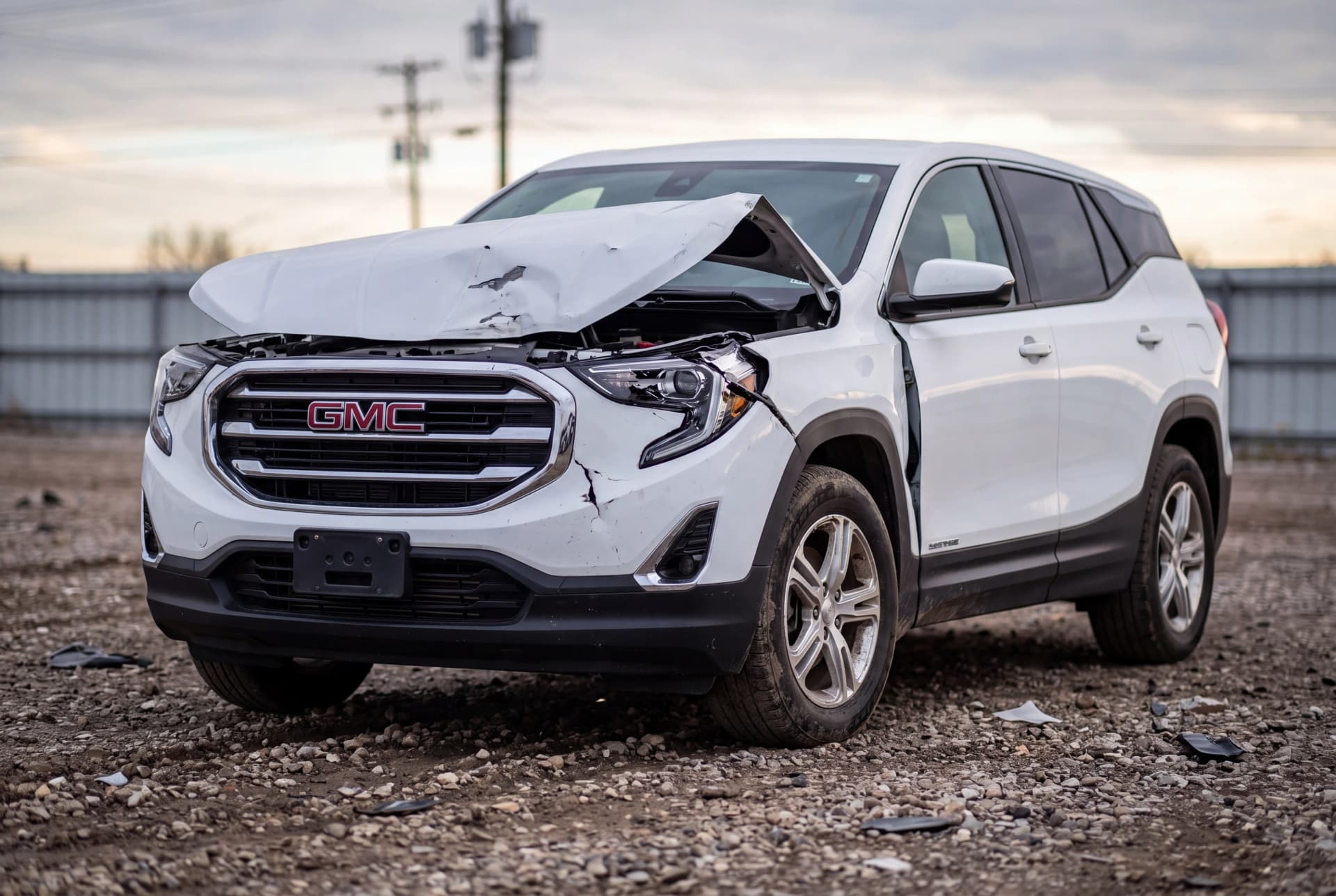
Todd M., Georgia
2022 GMC Terrain
Progressive offered
$18,073
Got
$21,972
+$3,899
One customer's result, before our fee.
“The original settlement offer was a real low ball, Jonathon got us $3900 more than the original!”
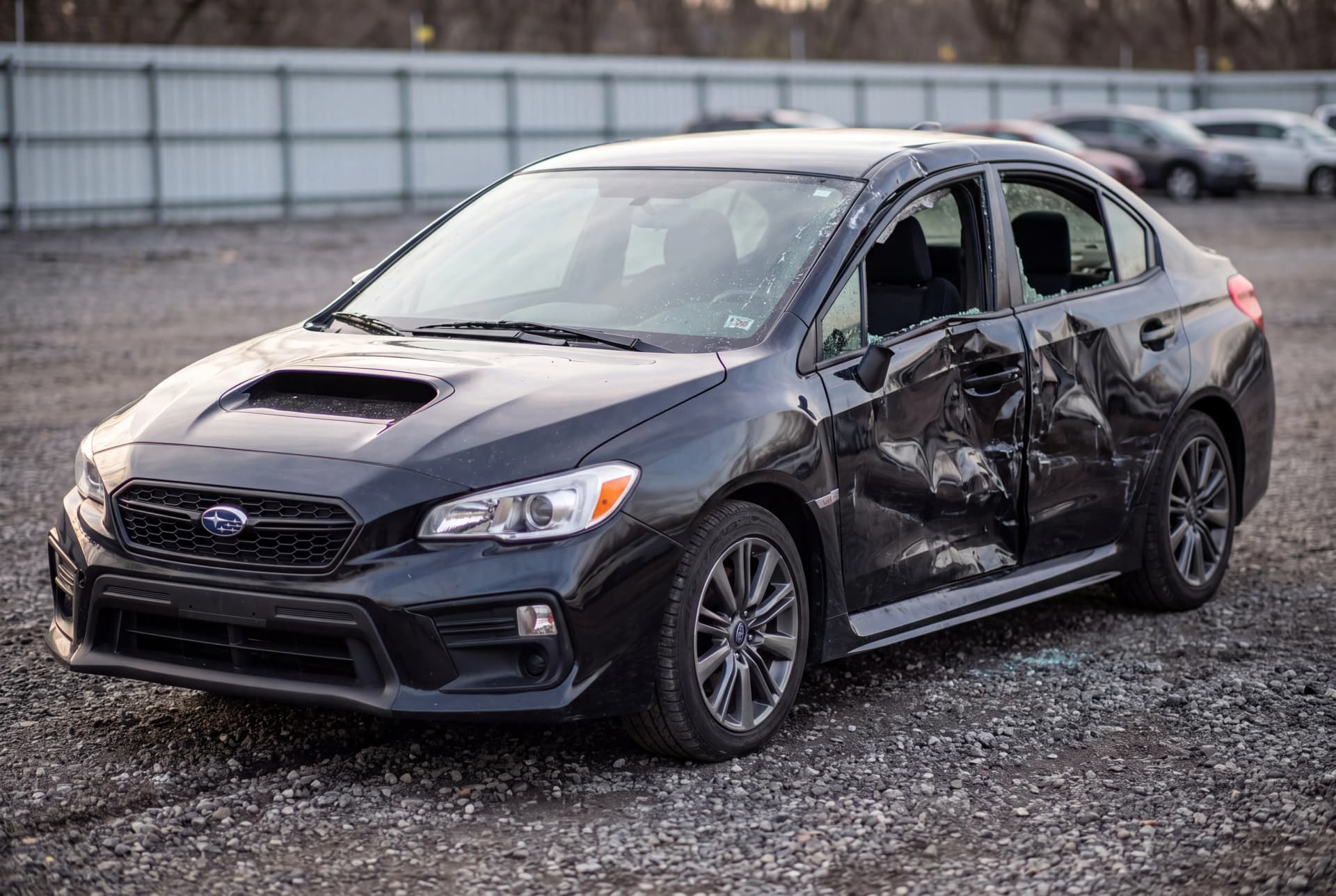
R S., Maryland
2021 Subaru WRX
State Farm offered
$18,063
Got
$20,357
+$2,294
One customer's result, before our fee.
“I received an additional $2,500 from what my insurance company claimed was the actual cash value.”
Your North Carolina rights at a glance
UDTPA treble damages under Gray v. NCIUA
Gray v. North Carolina Insurance Underwriting Association, 352 N.C. 61 (2000), held that conduct violating N.C. Gen. Stat. § 58-63-15(11)(f), not attempting in good faith to effectuate prompt, fair and equitable settlements of claims in which liability has become reasonably clear, violates § 75-1.1 as a matter of law, without an additional showing of a general business practice. Damages for a § 75-1.1 violation are trebled under § 75-16, and § 75-16.1 lets the judge, in the judge's discretion, allow a reasonable attorney fee on findings that the insurer willfully engaged in the practice and unwarrantedly refused to fully resolve the matter.
Valuation, sales tax and registration fees under 11 NCAC 04 .0418
If you and the insurer can't agree on actual cash value, the settlement offer is based on published regional average values of substantially similar vehicles and the retail cost of two or more substantially similar vehicles (same make, model, and year), available or available within 90 days of the accident, in the local market area: a 100-mile radius of where the vehicle is principally garaged that the insurer may enlarge in 50-mile increments, if no substantially similar vehicle is available within it, until one can be found. If none can be located in the local market area, the offer may be based on quotations from two or more licensed dealers there. Applicable sales tax and vehicle registration fees are included in the actual cash value settlement unless you keep the salvage vehicle. The rule does not mention North Carolina's highway use tax, the 3% tax § 105-187.3 charges on a vehicle's retail value when it is titled, with a $2,000 maximum only for Class A or B commercial motor vehicles and recreational vehicles.
Personal Auto Policy appraisal provision for first-party valuation disputes
As the Department of Insurance describes the North Carolina Personal Auto Policy's Part D appraisal provision, if you and the insurer don't agree on the amount of loss, either may demand an appraisal: each side selects a licensed appraiser, the two appraisers select an umpire, and a decision agreed to by any two is binding. Each side pays its own appraiser and shares the other appraisal and umpire expenses equally.
Common-law claim for bad-faith refusal to settle
A claim for an insurer's bad-faith refusal to settle requires a refusal to pay after recognition of a valid claim, bad faith (more than honest disagreement or innocent mistake), and aggravating or outrageous conduct (Lovell v. Nationwide, 108 N.C. App. 416 (1993); Dailey v. Integon, 75 N.C. App. 387 (1985), as federal courts applying North Carolina law state the test). Punitive damages under § 1D-15 require clear and convincing proof of fraud, malice, or willful or wanton conduct, and may not be awarded solely for breach of contract.
Adjuster and appraiser licensure under § 58-33-26(a)
N.C. Gen. Stat. § 58-33-26(a) requires any person who acts as an adjuster or motor vehicle damage appraiser in North Carolina to be duly licensed; a licensed adjuster does not need a separate appraiser license (§ 58-33-10(14)). Verify the carrier's adjuster or appraiser through the Department of Insurance's licensee lookup.
Statutory appraisal against the at-fault driver's insurer — N.C. Gen. Stat. § 20-279.21(d1)
When the at-fault driver's insurer doesn't dispute that it must cover the claim and you and that insurer disagree on how much the accident reduced your vehicle's fair market value by more than $2,000 or 25% of its pre-accident retail value (whichever is less), either side can demand an appraisal in writing. The appraisers and any umpire must be licensed North Carolina motor vehicle damage appraisers, and the result is binding on both sides unless either rejects it within 15 days of its filing. North Carolina's insurance rules measure that reduction after repairs are completed (11 NCAC 04 .0425(3)), so it's unclear whether this process reaches a total loss that isn't repaired, and it doesn't apply to a claim under your own collision or comprehensive coverage.
North Carolina Total Loss Framework — N.C. Gen. Stat. §§ 58-63-15, 75-1.1 (UDTPA Treble) + 11 NCAC 04 + Standard Auto Policy Appraisal Clause
North Carolina's total-loss framework rests on five pillars: the adjuster and motor vehicle damage appraiser licensure requirement at § 58-33-26(a); the UCSPA at § 58-63-15(11), which of itself creates no cause of action for anyone but the Commissioner; the total-loss rule at 11 NCAC 04 .0418 (when the parties can't agree on actual cash value, an offer based on published regional average values and the retail cost of two or more same make, model and year vehicles in a 100-mile local market area that the insurer may enlarge in 50-mile increments, if no substantially similar vehicle is available within it, until one can be found, or, if no substantially similar vehicle can be located in the local market area, on quotations from two or more licensed dealers located there; deductions itemized with their amounts; applicable sales tax and registration fees included unless the claimant keeps the salvage); the UDTPA at § 75-1.1, which Gray v. NCIUA (352 N.C. 61 (2000)) holds is violated as a matter of law by conduct that violates § 58-63-15(11)(f), with treble damages under § 75-16 and a discretionary attorney fee under § 75-16.1; and the Personal Auto Policy's appraisal provision together with the common-law claim for bad-faith refusal to settle. For a property-damage claim against an at-fault driver's liability insurer, N.C. Gen. Stat. § 20-279.21(d1) adds a statutory alternative appraisal of the vehicle's diminution in value (measured after repairs under 11 NCAC 04 .0425(3)), binding unless either side rejects the report within 15 days. Under 11 NCAC 04 .0418(c), an insurer must designate a vehicle a total loss when its damage equals or exceeds 75 percent of its pre-accident actual cash value. The § 58-33-26(a) license gates the named-appraiser role; SecondAppraisal Inc maintains the required North Carolina motor vehicle damage appraiser credential and can serve as the policyholder's appraiser of record.
Common things to look for in North Carolina
Recognize these scenarios in your offer letter or comparable report — and what we do about them.
Insurer arguing § 58-63-15 has no private right of action and therefore there's no remedy
G.S. 58-63-15(11) provides that no violation of the subsection "shall of itself create any cause of action in favor of any person other than the Commissioner." But under Gray v. NCIUA, conduct violating § 58-63-15(11)(f) also violates § 75-1.1 as a matter of law, and § 75-16 trebles the damages for a § 75-1.1 violation; a reasonable attorney fee is in the judge's discretion under § 75-16.1.
Sales tax and registration fees left out of the settlement
11 NCAC 04 .0418(f) includes applicable sales tax and vehicle registration fees in the actual cash value settlement, except where you keep the salvage vehicle. The rule does not mention North Carolina's highway use tax under § 105-187.3. Ask the insurer to show the sales tax and registration fees in its figure.
Out-of-area comparables drawn from regional or statewide databases
11 NCAC 04 .0418 defines the local market area as a 100-mile radius of where the vehicle is principally garaged, which the insurer may enlarge in 50-mile increments only until a substantially similar vehicle can be found, and uses it for both the retail-cost comparables and the dealer quotations. Demand the underlying VINs, dealer addresses, and the geographic-area parameter of any valuation service used.
Lump-sum condition adjustments without itemized dollar specifications
11 NCAC 04 .0418(h) requires any deduction from the actual cash value, including a deduction for salvage or prior damage, to be itemized and to contain the amount of the deduction. Ask for the documentation behind each adjustment.
Insurer-side appraiser without a North Carolina license
N.C. Gen. Stat. § 58-33-26(a) requires adjusters and motor vehicle damage appraisers to be licensed; a licensed adjuster may appraise without a separate appraiser license (§ 58-33-10(14)). Verify the carrier's adjuster or appraiser through the Department of Insurance's licensee lookup.
North Carolina Department of Insurance
If you believe your insurer is acting in bad faith, you can file a complaint with North Carolina Department of Insurance — Consumer Services Division at 855-408-1212 — ncdoi.gov ↗.
Relevant North Carolina precedent
How SecondAppraisal helps North Carolina policyholders
- Free appraisal consultation — confirm your offer is below fair market value before you commit.
- VIN-decoded option audit so every factory feature is credited.
- Accurate and appropriate comparable vehicle research.
- Line-by-line audit of the insurer's adjustments.
- Once you invoke the appraisal clause, we carry out the appraisal process.
Total-loss help in major North Carolina cities
City-specific total-loss guides with local risk factors and your appraisal-clause rights:
Frequently asked questions
What is the total-loss threshold in North Carolina?▼
Can I invoke the appraisal clause in a third-party insurance carrier / at-fault insurance carrier claim in North Carolina?▼
What does SecondAppraisal cost in North Carolina?▼
How long does a North Carolina total-loss appraisal take?▼
Ready to push back on a low North Carolina total-loss offer?
Start your free appraisal consultation in 5 minutes. At least $1,000 more than your insurer's offer, or your $495 fee is waived, once we accept your consultation. Our results: $3,648 more than the insurer's first offer, on average, before our fee. From 264 finished consultations that settled at or above the insurer's first offer, through September 25, 2026; past results, not a promise.
Get My Free Appraisal Consultation