Get the fair value you deserve for your totaled vehicle in Utah
Your policy's appraisal clause lets you retain a competent, independent appraiser for a total-loss valuation dispute in Utah.
Key takeaway
Utah's R590-190-11 lists the methods an insurer may use to settle your total loss, and a settlement that deviates from them must be supported by documentation giving particulars of the automobile's condition. The insurer must reopen its claim file on notice that you cannot buy a comparable vehicle at market value within 30 days of receiving the cash settlement payment, unless at settlement it gave you written notice of a specified comparable vehicle available for the market value it determined.
How SecondAppraisal helps
- •Free appraisal consultation — we review your offer before you commit.
- •At least $1,000 more, or your fee is waived. This applies once we accept your consultation and serve as your appraiser. The starting point is your insurer's offer on the day we accept. If the appraisal award, or a higher offer your insurer makes instead, is less than $1,000 above it, we waive our $495 Appointed Appraiser Service fee. If an umpire is needed, the umpire's fee is separate.
- •Average increase: $3,648 over the insurer's first offer (264 finished consultations that settled at or above the first offer, through Sep 25, 2026, before our fee).
How a total loss works in Utah
Insurance carriers in Utah use the Total Loss Formula (TLF) method. When the cost of repair plus the salvage value of your damaged vehicle equals or exceeds its pre-loss actual cash value (ACV), your insurer will declare your vehicle a total loss rather than authorize the repair. From that point, the dispute shifts from "will they fix it?" to "how much will they pay?"
Your appraisal-clause rights in Utah
Most US auto policies — including those issued in Utah — contain an appraisal clause that lets either you or the insurer demand a binding independent appraisal when you disagree on value. When invoked, you and the insurer each select a competent independent appraiser, and typically those two appraisers will agree to a new actual cash value. In the event those two appraisers are unable to agree on a value, the two appraisers can select an Umpire to break ties. Typically, you will split the cost of the third appraiser/umpire with the insurance carrier 50/50. In the event that the two appraisers are unable to agree on an umpire, the insured or the insurance carrier can petition a court with jurisdiction to select one. This rarely happens, but the chance isn't zero. The resulting valuation from any two appraisers and/or the umpire is binding.
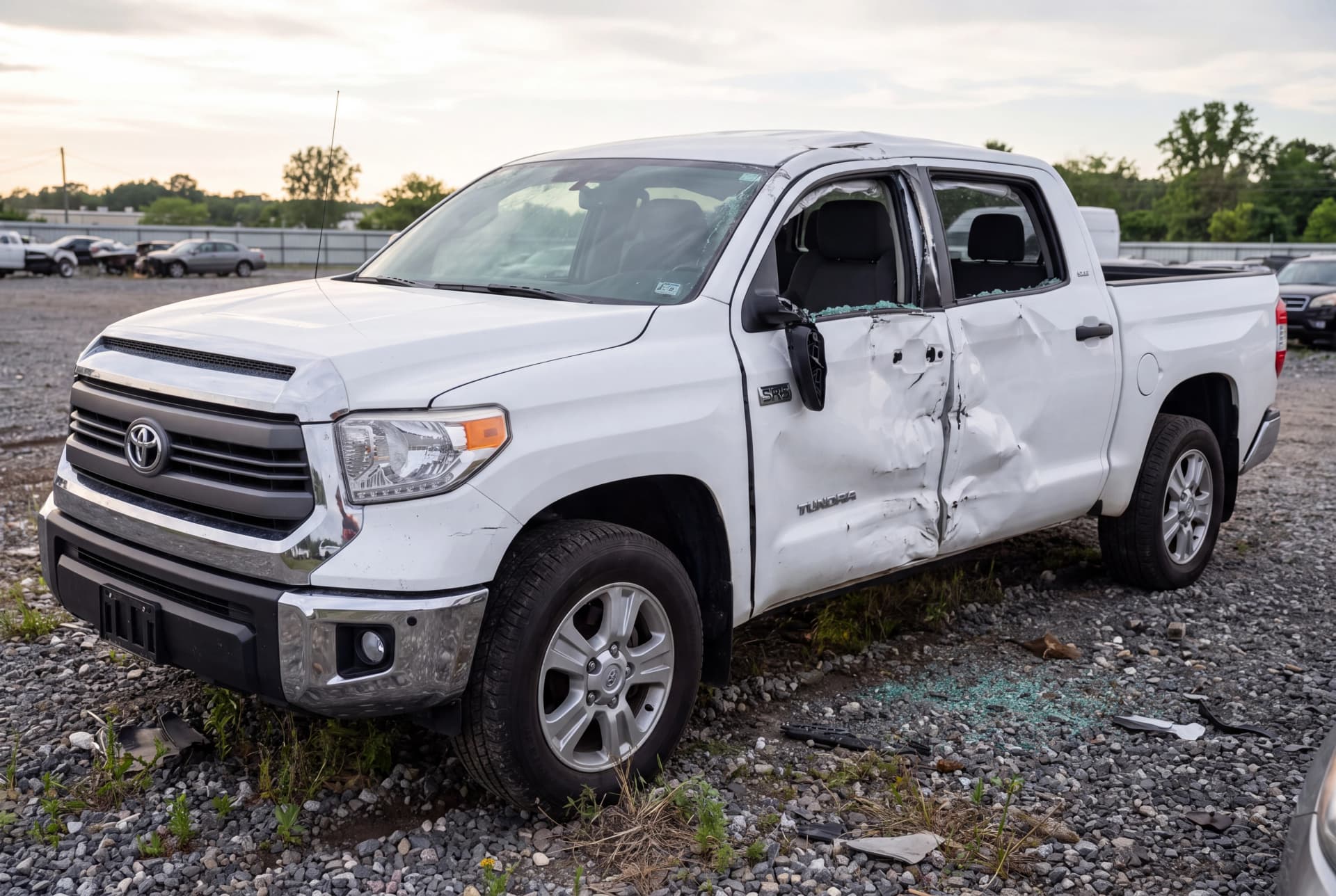
Another successful outcome in Utah
“Thank you Jonathon! For the potential customer reading this, I definitely recommend this team. Here is my experience for reference: 2018 Tundra with 46k miles on it and I'd say was in excellent condition (not just because it was my vehicle, it was a clean truck). Total loss to the truck.”
When her insurer initially offered $34,023 for her 2018 Toyota Tundra in Utah, Erika turned to us for help. Our research showed the vehicle was worth $39,798, and the matter was resolved through the policy appraisal clause after the insurer brought in their own appraiser. The final settlement matched our valuation at $39,798, securing an additional $5,775 above the first offer.
- USAA’s first offer
- $34,023
- Recovered above the offer
- +$5,775
- Total settlement
- $39,798
One customer's result, before our fee.
Total-loss help in UtahUtah Administrative Code R590-190-11 — Total Loss Claims
Utah Department of Insurance
If you believe your insurer is acting in bad faith, you can file a complaint with Utah Insurance Department — Property & Casualty Division at 801-957-9305 — insurance.utah.gov ↗.
How SecondAppraisal helps Utah policyholders
- Free appraisal consultation — confirm your offer is below fair market value before you commit.
- VIN-decoded option audit so every factory feature is credited.
- Accurate and appropriate comparable vehicle research.
- Line-by-line audit of the insurer's adjustments.
- Once you invoke the appraisal clause, we carry out the appraisal process.
Frequently asked questions
What is the total-loss threshold in Utah?▼
Can I invoke the appraisal clause in a third-party insurance carrier / at-fault insurance carrier claim in Utah?▼
What does SecondAppraisal cost in Utah?▼
How long does an Utah total-loss appraisal take?▼
Ready to push back on a low Utah total-loss offer?
Start your free appraisal consultation in 5 minutes. At least $1,000 more than your insurer's offer, or your $495 fee is waived, once we accept your consultation. Our results: $3,648 more than the insurer's first offer, on average, before our fee. From 264 finished consultations that settled at or above the insurer's first offer, through September 25, 2026; past results, not a promise.
Get My Free Appraisal Consultation