Get the fair value you deserve for your totaled vehicle in South Dakota
In South Dakota, your auto policy's appraisal clause gives you the right to appoint SecondAppraisal as your independent appraiser in a total-loss dispute.
Key takeaway
In South Dakota, SDCL § 58-12-3 requires the court to allow a reasonable attorney's fee, as part of the costs, when an insurer's refusal to pay the full amount of a loss is vexatious or without reasonable cause and judgment or an award is rendered for the plaintiff, unless before suit the insurer tendered at least the amount recovered. SDCL § 58-33-46.1 allows a civil action for actual and consequential damages, including reasonable attorneys' fees, for an act or practice chapter 58-33 declares unlawful, but Sentell v. Farm Mutual Insurance Co., 2021 S.D. 19, held that a violation of § 58-33-67 does not provide a basis to recover attorney fees under § 58-33-46.1, because § 58-33-69 provides that nothing in §§ 58-33-66 to 58-33-69 grants a private right of action. Champion v. United States Fidelity & Guaranty Co., 399 N.W.2d 320 (S.D. 1987), recognized a first-party bad-faith claim, which requires an absence of a reasonable basis for denial of policy benefits and the insurer's knowledge or reckless disregard of that lack; an insurer may challenge claims that are fairly debatable. Punitive damages require oppression, fraud, or malice, actual or presumed (SDCL § 21-3-2), and a court finding before discovery, on clear and convincing evidence, of a reasonable basis to believe there was willful, wanton or malicious conduct (SDCL § 21-1-4.1).
How SecondAppraisal helps
- •Free appraisal consultation — we review your offer before you commit.
- •At least $1,000 more, or your fee is waived. This applies once we accept your consultation and serve as your appraiser. The starting point is your insurer's offer on the day we accept. If the appraisal award, or a higher offer your insurer makes instead, is less than $1,000 above it, we waive our $495 Appointed Appraiser Service fee. If an umpire is needed, the umpire's fee is separate.
- •Average increase: $3,648 over the insurer's first offer (264 finished consultations that settled at or above the first offer, through Sep 25, 2026, before our fee).
How a total loss works in South Dakota
Insurance carriers in South Dakota use the Total Loss Formula (TLF) method. When the cost of repair plus the salvage value of your damaged vehicle equals or exceeds its pre-loss actual cash value (ACV), your insurer will declare your vehicle a total loss rather than authorize the repair. From that point, the dispute shifts from "will they fix it?" to "how much will they pay?"
Your appraisal-clause rights in South Dakota
Most US auto policies — including those issued in South Dakota — contain an appraisal clause that lets either you or the insurer demand a binding independent appraisal when you disagree on value. When invoked, you and the insurer each select a competent independent appraiser, and typically those two appraisers will agree to a new actual cash value. In the event those two appraisers are unable to agree on a value, the two appraisers can select an Umpire to break ties. Typically, you will split the cost of the third appraiser/umpire with the insurance carrier 50/50. In the event that the two appraisers are unable to agree on an umpire, the insured or the insurance carrier can petition a court with jurisdiction to select one. This rarely happens, but the chance isn't zero. The resulting valuation from any two appraisers and/or the umpire is binding.
Recent outcomes near South Dakota

Another successful outcome in Colorado
“Very professional and pleasant to work with.”
When Brent received a first offer of $6,090 from the insurer for his 2016 Ford Escape in Colorado, our research showed the payout was too low. The dispute moved through the policy appraisal clause after the insurer brought in an independent appraiser. The final settlement came to $8,649, securing $2,559 above the first offer.
- State Farm’s first offer
- $6,090
- Recovered above the offer
- +$2,559
- Total settlement
- $8,649
One customer's result, before our fee.
Total-loss help in Colorado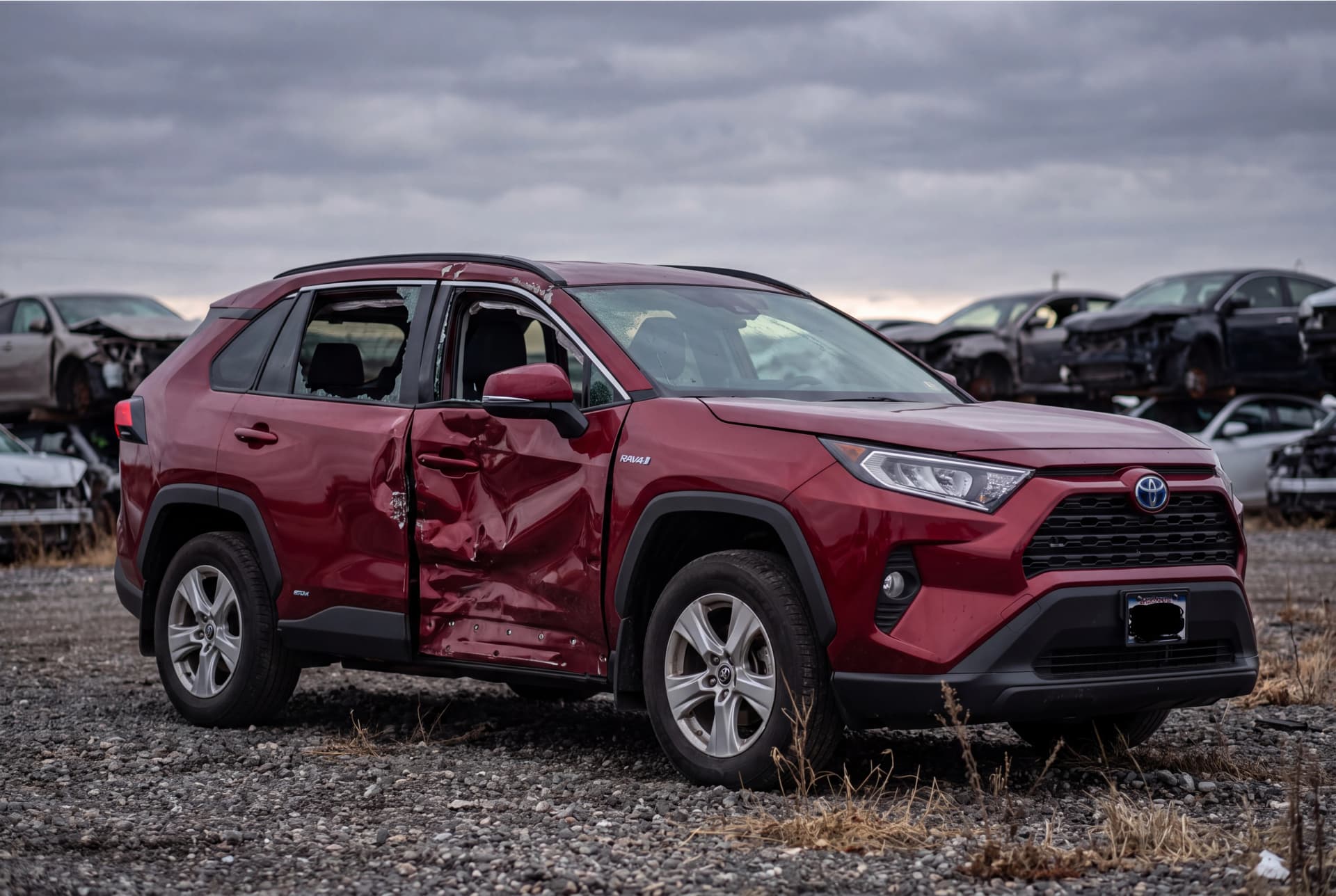
Cynthia S., Wisconsin
2021 Toyota RAV4
State Farm offered
$27,211
Got
$30,188
+$2,977
One customer's result, before our fee.
“Pricing was reasonable, transparent, and worth it many times over.”
Jaspreet G., Missouri
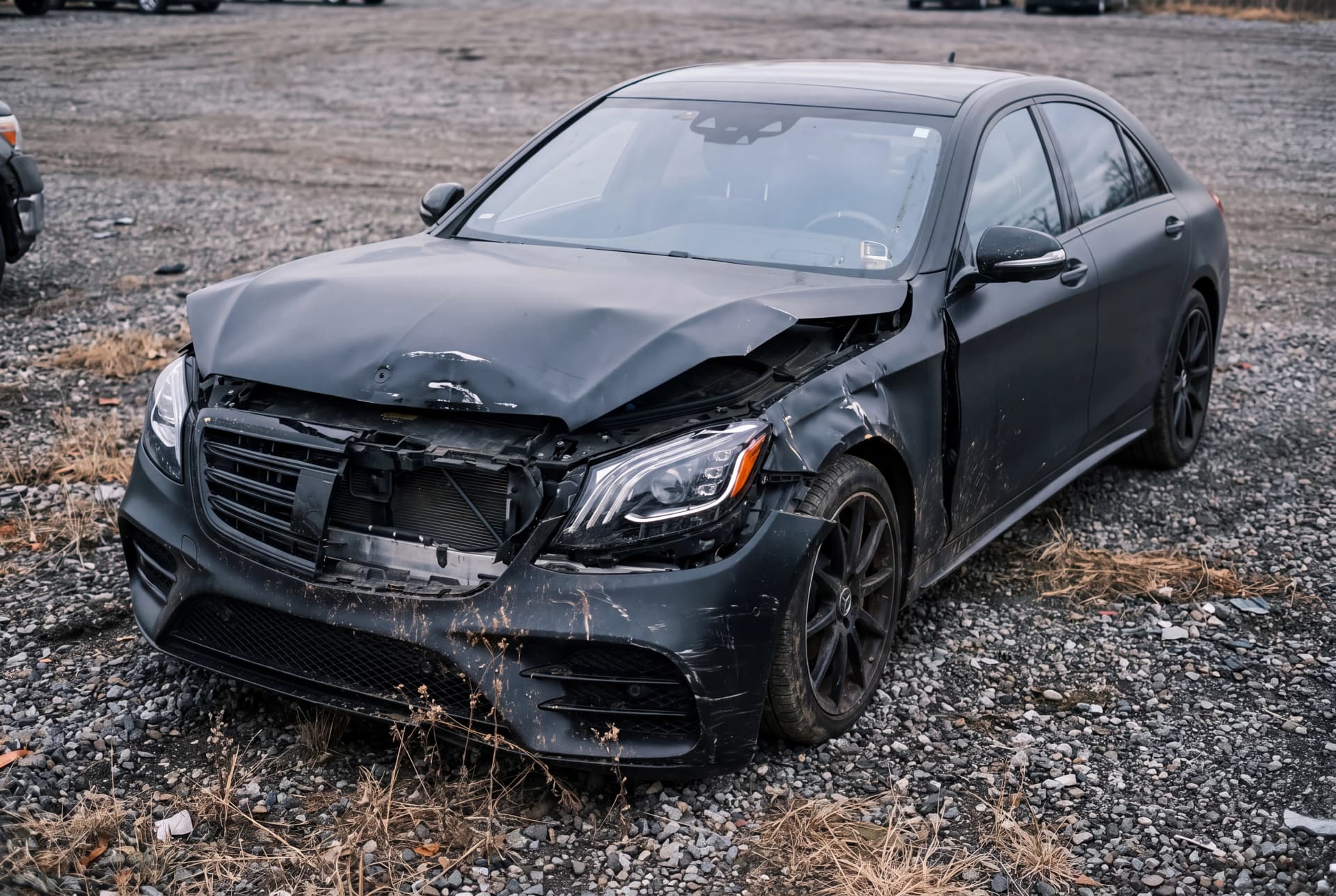
2019 Mercedes-Benz S-Class
State Farm offered
$31,941
Got
$37,000
+$5,059
One customer's result, before our fee.
“Definitely use this guys, you have nothing to lose!”
Your South Dakota rights at a glance
Attorney's-fee shift on vexatious refusal under SDCL § 58-12-3
When an insurer's refusal to pay is "vexatious or without reasonable cause," the court shall award the insured a reasonable attorney's fee as part of the costs. The fee is allowed only if judgment or an award is rendered for the insured, and not when the insurer tendered before suit and the amount recovered does not exceed the tender (SDCL § 58-12-3). The fee-shift is a fee-shift, not a damages multiplier — the statute does not add a percentage of the loss as damages. The "vexatious or without reasonable cause" standard applies to actions on any policy of any type of insurance, including total-loss disputes.
Civil action for unfair trade practice under SDCL § 58-33-46.1
SDCL § 58-33-46.1 is the civil-action / private-remedy provision under chapter 33: a person damaged by an unfair or prohibited insurance trade practice may sue for actual damages plus reasonable attorney's fees. Sentell v. Farm Mutual Insurance Co., 2021 S.D. 19, confirms that recovery requires a fact-finder's determination that the insurer's conduct constituted an unfair trade practice within the meaning of the chapter. Note that SDCL §§ 58-33-66–58-33-69 separately enumerate unfair claim settlement practices, but § 58-33-69 forecloses a private right of action under those specific sections — § 58-33-46.1 is the civil-action pathway.
First-party bad-faith tort under Champion v. USF&G
Champion v. United States Fidelity & Guaranty Co., 399 N.W.2d 320 (S.D. 1987), recognized a cause of action for first-party bad faith: there must be an absence of a reasonable basis for denial of policy benefits AND the insurer's knowledge or reckless disregard of that lack; an insurer may challenge claims that are fairly debatable. Punitive damages require the substantive standard at SDCL § 21-3-2 ("oppression, fraud, or malice, actual or presumed") together with the procedural clear-and-convincing-evidence threshold at SDCL § 21-1-4.1.
South Dakota Total Loss Framework — SDCL §§ 58-12-3, 58-33-46.1 + Champion v. USF&G
South Dakota's first-party total-loss framework rests on three pillars. SDCL § 58-12-3 (the vexatious-refusal statute) awards a reasonable attorney's fee as part of the costs when the insurer's refusal is "vexatious or without reasonable cause" — a fee-shift, not a damages multiplier. SDCL § 58-33-46.1 provides the civil-action / private-remedy pathway under the Trade Practices Act, allowing actual and consequential damages, including attorney's fees, on a finding of unfair trade practice (Sentell v. Farm Mutual, 2021 S.D. 19). The Champion v. USF&G (S.D. 1987) common-law first-party bad-faith tort adds compensatory damages and (with the SDCL § 21-3-2 substantive standard plus the § 21-1-4.1 clear-and-convincing procedural threshold) punitive damages. SDCL § 58-33-67 lists unfair practices in dealing with insureds, but § 58-33-69 expressly forecloses a private right of action under §§ 58-33-66–58-33-69. Salvage is defined at SDCL § 32-3-51.19 by insurer-determination for vehicles not more than ten model years old / ≤16,000 lbs GVWR.
Common things to look for in South Dakota
Recognize these scenarios in your offer letter or comparable report — and what we do about them.
Insurer claiming the § 58-12-3 "vexatious or without reasonable cause" standard requires bad-faith-level conduct
§ 58-12-3 asks whether the insurer's refusal to pay the full amount of the loss was "vexatious or without reasonable cause" — its own statutory standard, separate from the Champion tort — and the statute says the fee award does not bar any other remedy, in tort or contract, that the insured may have.
Lump-sum or non-itemized condition deductions
SDCL § 58-33-67(1) requires insurers to adopt and adhere to reasonable standards for the prompt investigation of claims, though § 58-33-69 leaves enforcement of that provision to the Division of Insurance. Demand the itemized basis for every condition adjustment.
Insurer arguing § 58-33-46.1 isn't a private remedy because § 58-33-69 forecloses it
§ 58-33-69's "no private right of action" language applies specifically to §§ 58-33-66 to 58-33-69 (the unfair-claim-settlement-practices list). § 58-33-46.1 is a separate civil-action statute and DOES allow a private suit for damages plus attorney's fees for unfair-trade-practice violations under chapter 33. The SD Supreme Court applied § 58-33-46.1 in Sentell v. Farm Mutual (2021 S.D. 19) — it remains a live private remedy.
South Dakota Department of Insurance
If you believe your insurer is acting in bad faith, you can file a complaint with South Dakota Division of Insurance — Consumer Services at 605-773-3563 — dlr.sd.gov ↗.
Relevant South Dakota precedent
How SecondAppraisal helps South Dakota policyholders
- Free appraisal consultation — confirm your offer is below fair market value before you commit.
- VIN-decoded option audit so every factory feature is credited.
- Accurate and appropriate comparable vehicle research.
- Line-by-line audit of the insurer's adjustments.
- Once you invoke the appraisal clause, we carry out the appraisal process.
Frequently asked questions
What is the total-loss threshold in South Dakota?▼
Can I invoke the appraisal clause in a third-party insurance carrier / at-fault insurance carrier claim in South Dakota?▼
What does SecondAppraisal cost in South Dakota?▼
How long does a South Dakota total-loss appraisal take?▼
Ready to push back on a low South Dakota total-loss offer?
Start your free appraisal consultation in 5 minutes. At least $1,000 more than your insurer's offer, or your $495 fee is waived, once we accept your consultation. Our results: $3,648 more than the insurer's first offer, on average, before our fee. From 264 finished consultations that settled at or above the insurer's first offer, through September 25, 2026; past results, not a promise.
Get My Free Appraisal Consultation