Get the fair value you deserve for your totaled vehicle in South Carolina
South Carolina may require licensing for vehicle appraisers, but you retain the right to invoke your policy's appraisal clause and supplement the insurer's valuation with independent research.
We're licensed in South Carolina· verifyKey takeaway
In South Carolina, S.C. Code Ann. § 38-59-40 makes an insurer that refuses to pay a covered claim within ninety days after the policyholder's demand liable for reasonable attorneys' fees, up to one-third of the amount of the judgment, when the trial judge, in a suit on the insurance contract, finds the refusal was without reasonable cause or in bad faith. Nichols v. State Farm Mutual Automobile Insurance Co., 279 S.C. 336 (1983), recognized a cause of action for bad faith refusal to pay first-party benefits, and Tadlock Painting Co. v. Maryland Casualty Co., 322 S.C. 498 (1996), held that an insured may sue its insurer for breach of the implied covenant of good faith and fair dealing over the insurer's bad-faith handling of third-party claims against the insured; generally, if there is a reasonable ground for contesting a claim, there is no bad faith in denying it (Cock-N-Bull Steak House, Inc. v. Generali Insurance Co., 321 S.C. 1 (1996)). S.C. Code Ann. § 38-49-20 requires a license from the director of the Department of Insurance, or the director's designee, to act as an appraiser for motor vehicle physical damage claims on behalf of an insurer or a firm or corporation engaged in the adjustment or appraisal of motor vehicle claims, and SecondAppraisal Inc acts through Jonathon A. Thomas, who holds South Carolina motor vehicle damage appraiser license 16488407.
How SecondAppraisal helps
- •Free appraisal consultation — we review your offer before you commit.
- •At least $1,000 more, or your fee is waived. This applies once we accept your consultation and serve as your appraiser. The starting point is your insurer's offer on the day we accept. If the appraisal award, or a higher offer your insurer makes instead, is less than $1,000 above it, we waive our $495 Appointed Appraiser Service fee. If an umpire is needed, the umpire's fee is separate.
- •Average increase: $3,648 over the insurer's first offer (264 finished consultations that settled at or above the first offer, through Sep 25, 2026, before our fee).
How a total loss works in South Carolina
Insurance carriers in South Carolina use the Total Loss Threshold (TLT) method. When the cost to repair your vehicle reaches 75% of its pre-loss actual cash value (ACV), your insurer will declare your vehicle a total loss rather than authorize the repair. From that point, the dispute shifts from "will they fix it?" to "how much will they pay?"
Your appraisal-clause rights in South Carolina
Most US auto policies — including those issued in South Carolina — contain an appraisal clause that lets either you or the insurer demand a binding independent appraisal when you disagree on value. When invoked, you and the insurer each select a competent independent appraiser, and typically those two appraisers will agree to a new actual cash value. In the event those two appraisers are unable to agree on a value, the two appraisers can select an Umpire to break ties. Typically, you will split the cost of the third appraiser/umpire with the insurance carrier 50/50. In the event that the two appraisers are unable to agree on an umpire, the insured or the insurance carrier can petition a court with jurisdiction to select one. This rarely happens, but the chance isn't zero. The resulting valuation from any two appraisers and/or the umpire is binding.
Another successful outcome in South Carolina
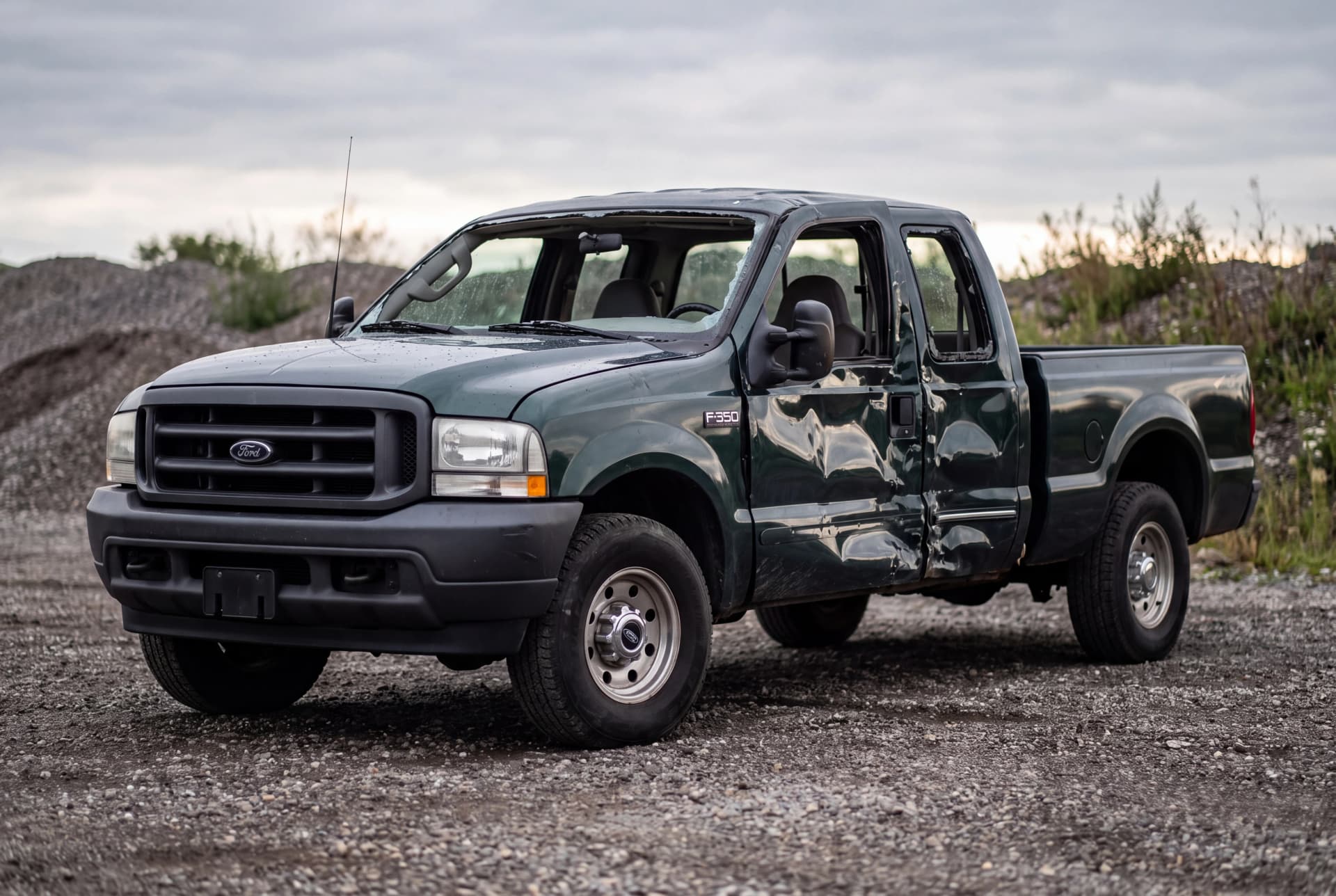
When Cole filed an insurance claim in South Carolina, the insurance company first offered $8,460. Our research showed the offer was too low, and the matter went through the policy appraisal clause. The final settlement came to $14,500, recovering $6,040 above the initial offer.
- Progressive’s first offer
- $8,460
- Recovered above the offer
- +$6,040
- Total settlement
- $14,500
One customer's result, before our fee.
Total-loss help in South CarolinaYour South Carolina rights at a glance
Attorney's fees under S.C. Code § 38-59-40
If the insurer refuses to pay a claim within 90 days after your demand and the trial judge finds the refusal was without reasonable cause or in bad faith, the court can award reasonable attorney's fees, up to one-third of the judgment, on top of the amount recovered.
Nichols/Tadlock common-law bad-faith tort
Nichols v. State Farm, 279 S.C. 336 (1983), recognized a cause of action for bad faith refusal to pay first-party benefits due under an insurance contract. Tadlock Painting v. Maryland Casualty, 322 S.C. 498 (1996), held that an insured may sue for breach of the implied covenant of good faith and fair dealing, which reaches the manner in which a claim is processed. Generally, if there is a reasonable ground for contesting a claim, there is no bad faith in denying it. Punitive damages must be proved by clear and convincing evidence.
Itemized deductions as evidence
South Carolina has no regulation prescribing how a total-loss deduction must be documented, so ask the insurer to itemize every condition, mileage, prior-damage, or required-repair deduction in dollars. Keep the insurer's answer for any later dispute.
MV-damage appraiser license requirement protects the appraisal-clause process
S.C. Code Ann. § 38-49-20, implemented by S.C. Code Regs. 69-16, requires anyone acting as an appraiser for motor vehicle physical damage claims on behalf of an insurer, or a firm engaged in adjusting or appraising motor vehicle claims, to hold a license from the Director of Insurance, issued after a written examination. The license gates the appraisal-clause appraiser role. SecondAppraisal Inc acts through Jonathon A. Thomas, who holds South Carolina motor vehicle damage appraiser license 16488407 and can serve as your named appraiser; the same requirement is leverage against a carrier-side appraiser who lacks it.
South Carolina Total Loss Framework — S.C. Code § 38-59-20 + § 38-59-40 + Nichols/Tadlock
South Carolina's total-loss framework rests on four pillars: the Motor Vehicle Physical Damage Appraisers Act at §§ 38-49-10 et seq. (mandatory MV-damage appraiser license issued by SCDOI, written exam required under S.C. Code Regs. 69-16), the UCSPA at § 38-59-20 (no private right of action standing alone), the attorney's-fee statute at § 38-59-40 (reasonable fees, capped at one-third of the judgment, when the insurer refuses to pay within 90 days after a demand without reasonable cause or in bad faith), and the Nichols/Tadlock common-law bad-faith tort. The 75% repair-cost-to-FMV salvage threshold lives at § 56-19-480. The MV-damage appraiser license gates the named-appraiser role; SecondAppraisal Inc acts through Jonathon A. Thomas, who holds South Carolina motor vehicle damage appraiser license 16488407 and can serve as the policyholder's appraiser of record.
Common things to look for in South Carolina
Recognize these scenarios in your offer letter or comparable report — and what we do about them.
Insurer arguing § 38-59-40 only applies to medical or PIP benefits
§ 38-59-40 reaches any claim, loss, or damage covered by a policy of insurance, not just medical or PIP benefits: when the insurer refuses to pay within ninety days after the policyholder's demand and the trial judge finds the refusal was without reasonable cause or in bad faith, the insurer pays the policyholder's reasonable attorney's fees. Note: § 38-59-40 supplies attorney's fees (capped at one-third of the judgment), not freestanding statutory damages — substantive bad-faith damages run through the Nichols common-law tort.
SC infrastructure maintenance fee (5% capped at $500) and transfer fees withheld until you replace
South Carolina's improper-claim-practices statute (§ 38-59-20) does not address the infrastructure maintenance fee. The fee under § 56-3-627 is five percent of the purchase price, capped at $500, when a replacement vehicle is first titled or registered, so ask the insurer to explain in writing why it left the fee out of the settlement.
Out-of-area comparables drawn from regional or statewide databases
SC has no closed-list local-market regulation, but § 38-59-20 treats failing to adopt and implement reasonable standards for the prompt investigation and settlement of claims, and not attempting in good faith to effect prompt, fair, and equitable settlement when liability is reasonably clear, as improper claim practices when done without just cause and as a general business practice. Demand the underlying VINs, dealer addresses, and geographic-area parameter; pair with independent local-market comparables to document the gap.
Insurer-side appraiser without a SC MV-damage appraiser license
S.C. Code Ann. §§ 38-49-10 et seq. (Motor Vehicle Physical Damage Appraisers Act), implemented by S.C. Code Regs. 69-16, require anyone acting as an appraiser for motor vehicle physical damage claims on behalf of an insurer, or a firm engaged in adjusting or appraising motor vehicle claims, to hold an MV-damage appraiser license. NOTE: MV-damage appraisers are licensed under Chapter 49, NOT under the Chapter 47 general Adjusters Act. If the insurer's vendor is providing valuations of physical damage in SC without the Chapter 49 license, that is independent regulatory leverage. Verify via the SC Department of Insurance licensee lookup.
Insurer dressing up an arbitrary undervaluation as a "genuine coverage dispute"
Generally, if there is a reasonable ground for contesting a claim, there is no bad faith in denying it (Cock-N-Bull Steak House v. Generali, 1996). But in Varnadore v. Nationwide (1986), an insurer that claimed its own investigation gave it a reasonable basis to deny the claim was not entitled to a directed verdict on bad faith, and Tadlock extends the covenant of good faith to the manner in which a claim is processed. Document why the valuation has no reasonable ground.
South Carolina Department of Insurance
If you believe your insurer is acting in bad faith, you can file a complaint with South Carolina Department of Insurance — Consumer Services at 803-737-6180 — doi.sc.gov ↗.
Relevant South Carolina precedent
How SecondAppraisal helps South Carolina policyholders
- Free appraisal consultation — confirm your offer is below fair market value before you commit.
- VIN-decoded option audit so every factory feature is credited.
- Accurate and appropriate comparable vehicle research.
- Line-by-line audit of the insurer's adjustments.
- Once you invoke the appraisal clause, we carry out the appraisal process.
Frequently asked questions
What is the total-loss threshold in South Carolina?▼
Can I invoke the appraisal clause in a third-party insurance carrier / at-fault insurance carrier claim in South Carolina?▼
What does SecondAppraisal cost in South Carolina?▼
How long does a South Carolina total-loss appraisal take?▼
Ready to push back on a low South Carolina total-loss offer?
Start your free appraisal consultation in 5 minutes. At least $1,000 more than your insurer's offer, or your $495 fee is waived, once we accept your consultation. Our results: $3,648 more than the insurer's first offer, on average, before our fee. From 264 finished consultations that settled at or above the insurer's first offer, through September 25, 2026; past results, not a promise.
Get My Free Appraisal Consultation